
Playgroups are essential in fostering a child’s social and emotional development. These structured yet flexible environments provide children with valuable opportunities to interact with peers, navigate social situations, and learn emotional regulation. By participating in a playgroup, children develop critical skills that help them build meaningful relationships and understand their feelings better.
Benefits of Playgroups for Social Skills Development
- Engaging in group activities helps children practice conversational skills such as listening, responding, and taking turns.
- Exposure to different communication styles among peers encourages verbal expression.
- Playgroups naturally create scenarios where conflicts may arise (e. g. , sharing toys or choosing activities). With the guidance of caregivers or teachers, children learn how to resolve disagreements constructively.
- Group activities like building projects or cooperative games teach children the value of working together toward a shared goal.
Benefits of Playgroups for Emotional Growth
- Interacting with peers who have diverse emotions or needs allows children to recognize feelings in others, fostering empathy from an early age.
- In a safe environment, playgroup leaders guide children on managing frustrations, excitement, or sadness effectively during challenging moments.
- A supportive playgroup environment encourages children to try new tasks without fear of judgment, boosting self-esteem gradually over time.
Typical Activities That Enhance Social-Emotional Growth
- Role-Playing:Pretend play nurtures empathy by allowing kids to imagine themselves in different roles and situations.
- Group Storytime:Listening to stories as a group encourages patience while teaching moral lessons related to emotions.
- Sharing Games:Games that involve taking turns or sharing resources foster cooperation.
- Music & Movement:Dancing or singing as part of a group enhances bonding while giving an emotional outlet.
Table: Key Social and Emotional Skills Gained from Playgroups
| Skill | How It’s Developed | Example Activity |
| Communication | Verbal exchanges during group play | Storytime discussions |
| Empathy | Observing emotions in others | Role-playing exercises |
| Teamwork | Cooperative problem-solving | Building blocks together |
| Emotional Regulation | Practicing patience | Turn-taking games |
How Facilitators Enhance Learning at a Kids Play Center
- They model appropriate social behaviors like kindness and respect.
- Facilitators intervene when conflicts occur, teaching problem-solving techniques.
- They provide encouragement during challenges to help nurture resilience and confidence.
By creating an inclusive community where every child feels valued and supported, facilitators ensure that the benefits of attending a playgroup extend far beyond the duration of each session.
In summary, joining a playgroup is more than just fun for young children—it provides them with foundational tools that shape their ability to connect with others emotionally while developing essential interpersonal skills for life ahead.
Why an Indoor Playground DFW is Perfect for Your Child’s Early Development
Enrolling your child in a playgroup during their early years is one of the most impactful decisions you can make to support their overall development. Playgroups are much more than just spaces for fun—they serve as vital environments for skill-building, emotional growth, and social interaction, all of which are essential during the formative years.
Social Development Through Playgroups
One of the key benefits of playgroups is the opportunity they offer for children to interact with peers.
- Sharing and Cooperation: In a playgroup setting, children learn to share toys and take turns, fostering collaboration and teamwork.
- Conflict Resolution Skills: Small disagreements over toys or activities allow children to practice resolving conflicts in a safe environment under adult supervision.
- Building Friendships: Early friendships in playgroups help children learn empathy, kindness, and communication.
By experiencing these social interactions early on, children are better prepared to navigate more complex social environments like school.
Emotional Growth in Playgroup Settings
Playgroups also promote emotional resilience and self-regulation.
- Recognize and express their emotions.
- Understand others’ feelings through empathy-building situations.
- Develop patience while waiting for their turn or participating in group activities.
Furthermore, being separated from parents for short periods during playgroups can help ease separation anxiety over time. This gradual independence builds confidence and emotional security.
Physical Benefits of Structured Play
Structured activities often found in playgroups—such as obstacle courses or dance routines—not only encourage physical movement but also contribute to gross motor skill development. Children improve balance, coordination, and dexterity while engaging in fun tasks that feel like games rather than exercises.
| Activity | Physical Skill Developed | Emotional/Other Benefit |
| Obstacle Course | Balance & Coordination | Builds problem-solving abilities |
| Dance or Music Sessions | Gross Motor Movements | Improves mood & self-expression |
| Fine Motor Crafts | Hand-Eye Coordination | Encourages creativity |
Supporting Cognitive Growth Through Play
Early childhood is a time when neural connections are forming rapidly. Engaging with age-appropriate games or puzzles in playgroups stimulates cognitive processes such as memory retention, problem-solving skills, and language acquisition.
Activities that foster cognitive growth include: – Storytelling Circles: Enhance listening comprehension and vocabulary.Color Sorting Games: Promote visual discrimination and categorization skills.Role-playing Scenarios: Help children understand different perspectives.
By exposing children to diverse learning opportunities within a structured yet enjoyable environment, parents enable them to build crucial foundational skills that prepare them for academic success later on.
Parental Benefits of Enrolling Children in Playgroups
While the focus often rests on how beneficial playgroups are for kids, parents also reap significant rewards from these programs: 1. Networking opportunities with other parents who may share similar challenges or parenting insights. 2. Access to professional caregivers or educators who can offer guidance regarding child development milestones. 3. Peace of mind knowing their child is engaging socially while developing critical life skills.
For working parents especially, enrolling a child into a structured program ensures they receive high-quality interaction even when parental time may be limited during weekdays.
Investing time into finding the right playgroup tailored to your child’s needs will yield lifelong benefits—from improved social behavior to stronger emotional health—while offering peace of mind that your child’s early developmental stages are being nurtured effectively within a supportive community.
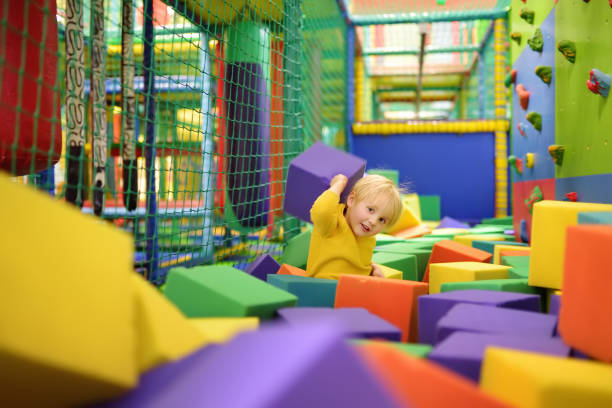
Playgroups That Foster Imagination and Creativity in Young Minds
Playgroups provide a nurturing environment where children are encouraged to explore, imagine, and create. These centers offer an array of activities that stimulate young minds, allowing kids to express themselves while developing critical skills they will use throughout their lives. Fostering imagination and creativity at an early age is crucial for brain development, problem-solving skills, and emotional well-being. Below, we’ll look at how playgroups achieve this and examine the benefits for young children.
Activities That Spark Creativity
Playgroups often organize structured and unstructured activities specifically designed to boost imagination.
- Painting with different mediums (watercolors, finger paints).
- Crafting projects using recyclable materials like paper rolls or cardboard.
- Clay sculpting to create shapes or objects from their imagination.
- Dress-up corners with costumes such as doctors’ coats, firefighter uniforms, or fantasy characters like pirates or princesses.
- Role-playing various scenarios such as running a pretend grocery store or playing family roles in a dollhouse setting.
- Encouraging kids to create their own stories through picture prompts or props.
- Hosting puppet theater where the children design puppets and act out stories.
- Using blocks, LEGO sets, or magnetic tiles for designing structures like towers or bridges.
- Encouraging collaboration when constructing larger projects in groups.
These activities not only entertain kids but also teach them how to think independently while working on fine motor skills.
Benefits of Imagination-Focused Activities
| Benefit | Description |
| Problem-Solving Skills | Tackling challenges through imaginative tasks (e.g., building stable towers). |
| Emotional Expression | Children learn to articulate emotions through art forms like drawing or storytelling. |
| Social Development | Collaborating with peers fosters communication skills while building empathy. |
| Cognitive Growth | Creative thinking enhances memory retention by engaging both hemispheres of the brain. |
These benefits align closely with early childhood benchmarks necessary for academic readiness later on.
How Playgroup Environments Nurture Creativity
- Open-Ended Materials– The use of toys without predefined purposes (e. g. , wooden blocks rather than electronics) encourages children to invent new uses for items based on their own ideas.
- Safe Spaces– A supportive setting where children feel comfortable experimenting without fear of failure enables greater innovation.
- Encouragement from Educators– Skilled facilitators guide children’s creativity by asking open-ended questions such as “What else could this be? ” rather than providing direct solutions.
- Collaborative Tasks– Group activities allow children to share ideas while learning from peers’ perspectives.
Playgroups designed with creativity in mind help nurture lifelong skills that go beyond academics—skills such as resilience, adaptability, and innovation which are invaluable in today’s world.
How Playgroup Activities Build Self-Confidence in Children Early On
Playgroup activities are vital in helping children develop self-confidence during their early years. These formative experiences create an environment where kids can explore, interact, and grow emotionally and socially. By participating in structured and unstructured play within a group setting, children gain skills that significantly boost their self-esteem.
Encouragement Through Social Interaction
One of the primary ways playgroups build self-confidence is through peer interaction.
- Learn to share toys and space
- Develop communication skills by expressing their needs and desires
- Navigate social challenges such as taking turns or resolving small disagreements
These experiences teach kids how to interact positively with others, enabling them to feel more confident in social situations.
Opportunities for Decision-Making and Leadership
Many playgroup activities encourage decision-making, which helps nurture independence and confidence.
- Choosing from different games or activities fosters autonomy.
- Leading group tasks such as organizing a puzzle or coordinating a role-play game strengthens leadership qualities.
These opportunities empower children to trust their instincts and take initiative in various contexts.
Skill Development Through Play-Based Learning
Hands-on activities offered at playgroups allow children to master new skills while having fun.
| Activity | Skill Developed |
| Building blocks | Problem-solving and fine motor skills |
| Art projects (painting) | Creativity and hand-eye coordination |
| Storytime | Listening comprehension |
| Group singing | Language development |
As they complete tasks independently or with minimal help, children begin to believe in their abilities, which enhances their sense of competence.
Positive Reinforcement from Caregivers
Playgroups often involve caregivers or instructors who provide positive feedback during activities. This encouragement reinforces children’s efforts rather than focusing solely on outcomes.
- Praising a child for attempting difficult tasks
- Acknowledging acts of kindness toward peers
- Celebrating small achievements like completing a craft project
Such affirmations teach children that effort is valuable and bolster their confidence over time.
Role Play for Building Emotional Resilience
Role-playing games are popular in playgroups and serve as an excellent tool for building resilience.
- Introducing themselves to someone new
- Asking for help when needed
- Problem-solving challenges like fixing a toy together
This simulated practice encourages confidence when facing similar experiences outside the playgroup environment.
Benefits Beyond Early Childhood
The self-confidence developed through playgroup participation carries over into later stages of life. As they transition into school settings, confident children find it easier to adapt socially, take on academic challenges, and embrace new opportunities without hesitation.
Providing young minds with access to thoughtfully designed playgroup activities creates an empowering foundation upon which they can build lasting self-assurance.
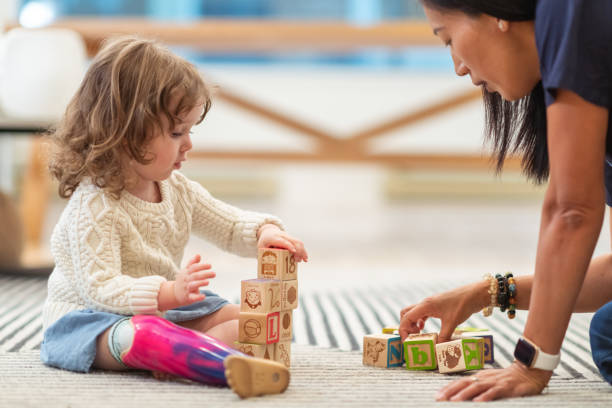
Playgroups as a Foundation for Physical Activity and Healthy Growth in Kids
Playgroups are an essential part of a child’s early development, offering structured and unstructured opportunities for physical activity. Regular participation in these activities not only promotes healthy growth but also lays the groundwork for lifelong habits that contribute to overall wellness. Here’s how playgroups serve as an effective foundation for physical health and development.
Benefits of Physical Activity at Playgroups
- Improved Motor Skills
Activities such as running, jumping, climbing, and balancing help children improve their gross motor skills. Fine motor activities like drawing or manipulating small objects can also enhance dexterity. - Bone and Muscle Development
Weight-bearing exercises such as climbing or hopping encourage stronger bones and muscles during crucial growth stages. - Cardiovascular Health
Activities involving active play—like tag or obstacle courses—not only boost endurance but also improve cardiovascular health by keeping the heart strong. - Healthy Body Weight
Regular movement helps maintain a healthy body weight and reduces the risk of childhood obesity.
Examples of Physical Activities at Play Centers
A variety of physical tasks are integrated into kids’ play centers.
| Activity Type | Examples | Developmental Benefit |
| Gross Motor Activities | Obstacle courses, jumping games | Enhances coordination and strength |
| Balance & Stability Tasks | Balance beams, wobble boards | Improves balance and core stability |
| Sensory Movement | Soft play areas with padded structures | Encourages exploration in safe spaces |
| Team-Based Play | Group relay races, cooperative games | Builds teamwork skills alongside fitness |
Establishing Healthy Habits Early
- Encouraging Regular Movement: Structured daily schedules incorporate active breaks to ensure children stay physically engaged.
- Promoting Outdoor Play: Exposure to outdoor settings helps children appreciate nature while staying physically active.
- Modeling Positive Behaviors: Facilitators often demonstrate healthy habits like stretching before activities or hydrating regularly.
Social Benefits of Active Play in Groups
Physical activity within a group setting doesn’t just benefit the body—it fosters teamwork, communication, and empathy among peers. Children learn to take turns during games, cooperate to complete tasks, and celebrate successes together.
Tips for Parents
- Look for centers with age-appropriate equipment designed for safety.
- Ensure adequate supervision by trained staff who understand developmental milestones.
- Encourage participation without undue pressure to perform competitively.
- Discuss their favorite activities post-playgroup sessions to reinforce positive experiences.
By integrating regular physical activity in a fun and engaging manner, playgroups offer children the foundation they need for both mental wellness and robust physical health in their formative years.
Boosting Cognitive Growth at a Kids Indoor Playground Through Play
Kids play centers are more than just spaces for fun and entertainment; they are hubs of cognitive development where children can unlock their full potential through structured and unstructured play. Let’s explore how these centers contribute to unlocking cognitive growth in children.
The Role of Play in Cognitive Development
Play is one of the most effective ways for children to learn.
- Practice Decision-Making: Activities like puzzles, building blocks, or strategic games encourage kids to make decisions independently.
- Develop Problem-Solving Skills: Trial-and-error games help children analyze situations and find solutions on their own.
- Enhance Memory: Many play-based activities require recalling sequences or patterns, which boosts memory retention over time.
Types of Cognitive Activities at Kids Play Centers
Play centers often incorporate a wide variety of activities that cater to diverse aspects of cognitive development.
| Activity Type | Cognitive Benefits | Examples |
| Building & Construction | Enhances spatial awareness and planning | LEGO® blocks, magnetic tiles |
| Pretend Play/Roleplay | Fosters creativity and perspective-taking | Dress-up stations, play kitchens |
| Puzzles & Brain Games | Boosts problem-solving skills | Jigsaw puzzles, memory-matching games |
| Interactive Technology | Develops critical thinking | Touchscreen learning tools |
These activities not only promote intellectual growth but also keep children engaged in meaningful ways.
The Science Behind Play-Based Learning
Research has consistently shown that play stimulates brain development by strengthening neural connections.
- Executive Functioning Skills: Activities requiring focus and multitasking help enhance skills like impulse control and flexible thinking.
- Language Development: Collaborative games encourage communication, vocabulary building, and storytelling.
- Symbolic Thinking: Pretend play allows children to use objects symbolically (e. g. , a block as a phone), which is a precursor to abstract reasoning.
Benefits Beyond Cognitive Growth
While the focus is on cognition, the benefits extend far beyond mental development.
- Children develop social skills by working together with peers during group activities.
- Emotional intelligence is nurtured as they learn empathy through pretend-play scenarios.
- Physical coordination improves as many cognitive tasks integrate movement-based components.
Tips for Choosing a Kids Play Center Focused on Cognitive Growth
When selecting a play center for your child’s development needs:
1. Look for diverse activity options that balance fun with learning opportunities.
2. Ensure it provides age-appropriate challenges that stimulate curiosity without overwhelming your child. 3. Check if trained staff are available to guide activities while fostering independence.
By integrating purposeful play into daily routines at kid-friendly spaces designed for learning, parents can help lay the foundation for lifelong intellectual growth while creating joyful memories along the way.
- How a Kids Play Center Supports Children’s Development and Shapes Growing Minds
- Top Benefits of Choosing a Kids Birthday Party Venue DFW for Child Development
- The Best Kids Birthday Party Venue DFW: Where Fun Meets Learning
- The Best Kids Birthday Party Venue DFW for Fun and Social Development
- Top Reasons to Choose a Kids Birthday Party Venue DFW for Indoor Play
- Why an Indoor Playground is the Perfect Kids Birthday Party Venue in DFW