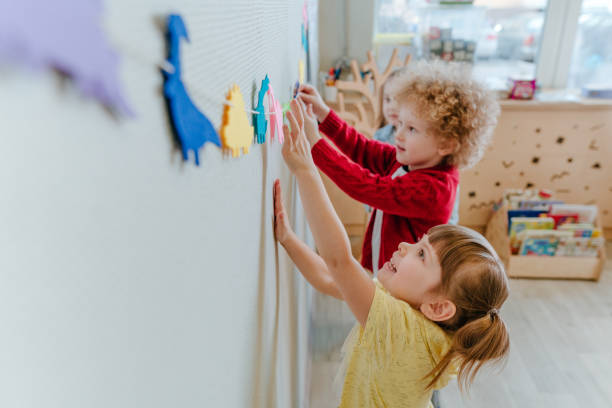
Play is more than just a source of entertainment for children—it is a fundamental aspect of their development. Through play, children learn essential skills and gain experiences that shape their physical, emotional, cognitive, and social well-being. Understanding the benefits of play can help parents and caregivers foster an environment that supports healthy growth.
Physical Development
Active play helps children develop essential motor skills and build physical strength. Engaging in running, jumping, climbing, and other physical activities improves their coordination, balance, and overall fitness levels. Key benefits include:
– Fine motor skills: Activities like puzzles or stacking blocks enhance hand-eye coordination and finger dexterity.
– Gross motor skills: Sports or playground activities promote core strength and agility. – Healthier habits: Regular movement reduces the risk of sedentary lifestyle-related issues like obesity.
Cognitive Development
Play stimulates brain development by encouraging curiosity and problem-solving. It allows children to explore new ideas and concepts in creative ways. Benefits to cognitive growth include: – Improved memory retention through games that require recall. – Enhanced critical thinking while solving puzzles or engaging in strategy-based activities. – Development of spatial awareness through building blocks or drawing.
Social Skills
Through interactive play with peers or adults, children learn valuable social skills such as cooperation, communication, and empathy. These interactions teach them how to navigate relationships effectively: – Sharing toys encourages teamwork. – Role-playing games help them understand different perspectives. – Conflict resolution arises during group play when disagreements occur.
Emotional Growth
Play provides children with opportunities to express themselves freely in a safe space. This contributes to emotional resilience as they explore feelings like joy, frustration, or accomplishment: – Pretend play allows them to process emotions by acting out scenarios. – Winning or losing teaches emotional regulation while fostering sportsmanship. – Creative outlets such as art-based activities offer self-expression opportunities.
Table: Play Types & Associated Benefits
| Type of Play | Benefit | Examples |
| Free Play | Encourages creativity & decision-making | Imaginative games |
| Structured Play | Builds discipline & goal-setting | Board games |
| Physical Play | Develops strength & coordination | Tag, obstacle courses |
| Cooperative Play | Fosters teamwork & collaboration | Sports teams |
Why Prioritizing a Kids Play Center Matters
By incorporating diverse forms of play into daily routines at home or through kids’ play centers, families can help nurture all aspects of child development holistically.
How an Indoor Playground DFW Benefits Children’s Growth and Well-Being
1. Promotes Physical Health
Engaging in active play helps children maintain their physical health by improving their strength, coordination, and motor skills. Activities such as running, climbing, or jumping not only burn energy but also support muscle development and cardiovascular health.
- Climbing walls
- Dancing
- Playing tag
- Building blocks
- Puzzles
- Arts and crafts
Regular movement during play reduces the risk of childhood obesity while fostering an early appreciation for an active lifestyle.
2. Supports Cognitive Development
Play allows children to think critically, solve problems creatively, and develop decision-making skills.
- Pretend games often require children to think through different scenarios.
- Role-playing promotes imaginative thinking.
- Board games that challenge recall.
- Story-based activities requiring attention to details.
When children engage in purposeful play activities, they simultaneously build neural connections that promote logic and reasoning.
3. Encourages Emotional Regulation
Free play provides a safe outlet for children to express their emotions without judgment. Whether they are role-playing scenarios or engaging in group activities with peers, they learn to process feelings such as frustration or excitement effectively.
Key benefits include: – Improved coping mechanisms when facing challenges. – Better understanding of empathy through interactions during imaginative or cooperative play.
This emotional awareness ultimately helps foster resilience.
4. Builds Social Skills
- Cooperation: Working together toward a shared goal during team-based games teaches patience and collaboration.
- Communication: Playing side-by-side allows kids to practice verbal and non-verbal communication effectively.
- Conflict resolution: Disagreements over rules or turns provide valuable lessons in negotiation and compromise.
5. Reduces Stress
Lastly, engaging in unstructured or guided play helps reduce stress levels in young minds by releasing endorphins (hormones associated with happiness). Whether it’s spending time at a kids’ play center or playing outside with friends, having fun offers much-needed mental relaxation amidst academic pressures.
| Activity Type | Stress Relief Benefits | Examples |
| Free outdoor play | Exposure to fresh air calms the mind | Running around at parks |
| Structured indoor play | Fosters focus while reducing anxiety | Participating in obstacle courses |
By incorporating diverse kinds of playful activities into daily routines, caregivers lay a strong foundation for well-rounded child development while ensuring that learning remains enjoyable throughout their formative years.
How Imaginative Play Sparks Creativity and Problem-Solving in Kids
Imaginative play, often referred to as pretend play or make-believe play, is a vital aspect of childhood development. It allows children to explore their creativity, build critical thinking skills, and develop problem-solving abilities in a natural and engaging way. By participating in imaginative scenarios, children not only entertain themselves but also learn how to navigate the world around them.
The Role of Imaginative Play in Creativity
- Creating Stories: Children often develop elaborate narratives while playing pretend. For instance, they may act out roles such as a doctor, astronaut, or superhero.
- Using Everyday Objects Creatively: A cardboard box becomes a spaceship; a simple stick transforms into a magic wand.
- Artistic Expression: Imaginative play often involves drawing maps for treasure hunts or designing costumes for play characters.
By engaging in these activities, kids strengthen their ability to innovate and express themselves artistically.
How Imaginative Play Supports Problem-Solving Skills
- Role-Playing Scenarios: Acting out real-life situations (e.g., running a store or hosting a tea party) forces kids to make decisions about how things operate.
- Conflict Resolution: Playing with others introduces social challenges like sharing toys or taking turns. Children learn negotiation techniques and compromise during cooperative activities.
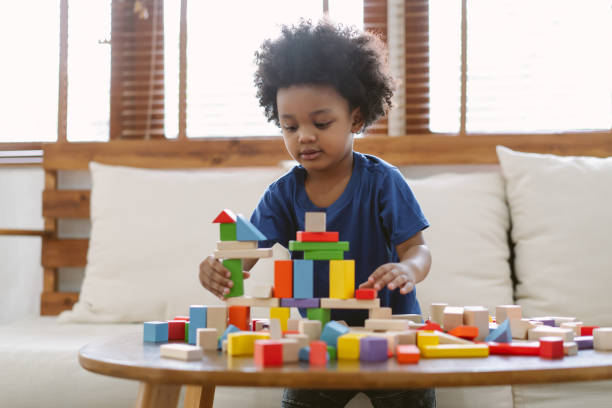
- Planning and Strategy Development: Activities like building forts or creating imaginary towns require planning steps and overcoming obstacles.
By practicing these skills in low-pressure environments during playtime, children gain confidence when solving problems in real-life situations.
Examples of Imaginative Play Activities for Kids
| Activity | Key Benefits | Materials Needed |
| Dress-Up/Role Play | Encourages self-expression; builds empathy by understanding others’ roles | Old clothes; accessories |
| Building Blocks | Develops spatial awareness; fosters engineering concepts | LEGO sets; wooden blocks |
| Pretend Cooking/Baking | Enhances organizational skills; sparks imagination about daily routines | Toy kitchen sets; modeling clay |
| Storytelling/Dramatic Play | Develops narrative-building skills; enriches vocabulary | Puppets or stuffed animals |
Encouraging these activities at home or within structured environments like kids’ play centers can maximize their developmental benefits.
Tips for Supporting Imaginative Play
- Provide open-ended toys that encourage exploration rather than limiting use (e.g., blocks instead of preassembled figures).
- Set aside unstructured time where children lead their own activities without imposed rules.
- Join occasionally as collaborators without directing the flow—let your child guide you into their imaginary world.
- Rotate toys regularly so kids remain engaged with fresh possibilities.
By supporting imaginative play thoughtfully, adults can give kids the tools they need to grow into innovative thinkers who approach challenges with enthusiasm and ingenuity.
Enhancing Cognitive Development at a Kids Indoor Playground
Engaging play activities are essential in nurturing a child’s cognitive development. Play provides children with the opportunity to explore, experiment, and learn in ways that are both enjoyable and impactful. Structured and unstructured play can stimulate critical thinking, enhance memory, and improve problem-solving skills. By offering a variety of enriching activities, caregivers and educators can help children develop the mental tools needed to succeed academically and socially.
How Play Encourages Cognitive Development
- Problem-Solving: Many games require children to solve puzzles or strategize solutions, which helps them think critically and make decisions.
- Memory Enhancement: Activities that involve repetition or memorization, such as matching games or singing songs with hand motions, build memory skills.
- Language Development: Playing with others often involves communication. Whether through storytelling or role-playing games, kids develop language proficiency as they engage.
- Focus and Attention: Games requiring concentration—such as board games or building blocks—help children develop better focus.
Table of Activities and Their Benefits
| Activity | Description | Cognitive Benefit |
| Puzzle Solving | Solving jigsaw puzzles of varying difficulty | Improves spatial awareness and problem-solving |
| Building Blocks | Constructing structures using blocks like LEGO | Enhances creativity and fine motor skills |
| Memory Matching Games | Pairing cards with matching images or patterns | Boosts memory retention |
| Role-Playing (e.g., pretend) | Acting out scenarios such as playing doctor or chef | Develops communication skills |
| Pattern Recognition | Identifying patterns in beads or objects | Strengthens logical reasoning |
Benefits of Mixing Structured and Unstructured Play
- Provides clear goals (e.g., completing a puzzle).
- Teaches rules and discipline.
- Encourages collaboration if done in groups.
- Sparks creativity by letting kids imagine their own scenarios.
- Offers freedom for self-directed learning.
- Builds resilience through trial-and-error experiences.
Tips for Creating an Enriching Play Environment at Home
- Designate a dedicated “play corner” stocked with educational toys like puzzles, building sets, or memory cards.
- Rotate toys regularly to maintain interest while introducing new challenges.
- Encourage outdoor exploration by providing tools like magnifying glasses for nature observation.
- Engage alongside your child during play sessions to guide their learning experience without taking control.
By prioritizing diverse engaging activities tailored to children’s developmental stages, parents and caregivers can foster robust cognitive growth while ensuring that every moment of play becomes a valuable learning experience.
Emotional and Social Benefits of Play for Children
Play is an integral part of a child’s emotional and social development. Engaging in play activities not only allows children to have fun but also helps them build critical life skills, such as communication, empathy, teamwork, and problem-solving. Below are some key ways play contributes to emotional and social growth.
Enhancing Communication Skills
Through play, children learn to express their thoughts, emotions, and needs more effectively. Whether they are role-playing with peers or working together on a group task, they develop essential verbal and non-verbal communication abilities.
- Listening: During group activities or pretend play scenarios, children practice listening to others’ ideas.
- Articulation: Explaining rules or negotiating roles encourages clear verbal expression.
- Nonverbal Cues: Role-playing enhances understanding of body language and facial expressions.
Building Empathy and Emotional Awareness
Interactive play fosters the development of empathy by encouraging kids to consider other perspectives. Pretend scenarios often require them to step into someone else’s shoes, which builds their emotional intelligence.
- Recognizing and responding to peers’ emotions during cooperative games nurtures sensitivity.
- Conflict resolution in group settings teaches patience and compromise.
- Successes or setbacks during games help children build emotional resilience.
Strengthening Teamwork Skills
Collaborative play activities cultivate teamwork by requiring kids to work together toward a shared goal. Whether constructing a tower from blocks or participating in a scavenger hunt, they learn the value of cooperation and shared responsibility.
Key benefits include:
| Skill | Example Activity | Outcome | |——|——————|———| | Cooperation | Group art project | Learning to share resources | | Leadership | Leading a team game | Building confidence as a leader | | Following Directions | Relay races | Understanding the importance of structure |
Encouraging Positive Social Interactions
Frequent interaction during playtime helps children refine social behaviors such as taking turns, sharing resources, and respecting others’ boundaries. Kids who engage in regular social activities with peers tend to navigate real-world interactions more comfortably later in life.

Key Activities for Social Skill Development:
- Board Games: Teach turn-taking and rule-following.
- Group Sports: Encourage collaboration while promoting healthy competition.
- Fantasy Play (e.g., dress-up): Fosters imaginative dialogue and peer bonding.
Emotional Regulation Through Play
Play serves as an outlet for children to process emotions like frustration or excitement in healthy ways. For example: – Physical play (e.g., running games) can help manage energy levels. – Creative activities like drawing or modeling clay may provide calming effects for anxious kids. – Story-based role-play allows them to explore diverse feelings in safe environments.
By prioritizing opportunities for both structured and unstructured play at home or in group settings like kids’ play centers, families can provide the foundation needed for strong emotional health and meaningful social connections.
Encouraging Healthy Independence Through Fun and Interactive Play
Encouraging independence in children is a crucial part of their development, as it helps them build confidence, enhance decision-making skills, and foster responsibility. Kids’ play centers offer an environment that nurtures these traits in a safe and engaging way. Through fun and interactive activities, children can explore their abilities while learning to navigate the world independently.
Benefits of Promoting Independence Through Play
- Confidence Building: When children are encouraged to make decisions during play, they begin to trust their instincts and abilities.
- Problem-Solving Skills: Interactive games often require kids to solve challenges or puzzles on their own.
- Skill Development: Activities like climbing, building blocks, or role-playing allow children to master new tasks at their own pace.
- Sense of Responsibility: Learning the value of teamwork through group games teaches accountability while fostering independence.
Key Activities That Promote Independence at Play Centers
- Encourage self-assessment as children figure out how to navigate through challenges.
- Teach perseverance when faced with difficult tasks.
- Features like pretend grocery stores or kitchens let kids act out real-world scenarios independently.
- Develop leadership skills when taking initiative in role assignments with peers.
- Activities involving blocks or construction toys emphasize self-directed creativity.
- Enhance spatial reasoning as they plan structures on their own.
- Craft areas encourage artistic expression and allow kids to make decisions about materials and designs.
- Help strengthen focus and attention span by working independently on projects.
| Activity | Skills Developed | Level of Independence Encouraged |
| Obstacle Courses | Problem-solving, Perseverance | High |
| Role-Playing Stations | Leadership, Decision-Making | Moderate |
| Building Stations | Creativity, Spatial Reasoning | High |
| Creative Arts Corners | Focus, Artistic Expression | Moderate |
How Parents Can Support Independent Play at Centers
- Allow children the freedom to explore activities without constant supervision but remain nearby for support if needed.
- Praise efforts rather than outcomes to build intrinsic motivation.
- Encourage participation in group activities that promote both teamwork and individual contributions.
By creating an environment where fun meets learning, interactive play not only entertains but also supports the journey toward healthy independence in children.
How Kids’ Play Centers Promote Physical Fitness and Active Lifestyles
Kids’ play centers are more than just spaces for entertainment; they are vital environments where children can engage in physical activities that contribute to their overall health and well-being. These centers are designed to encourage movement, enhance coordination, and build lifelong habits of an active lifestyle. Below, we explore how kids’ play centers serve as catalysts for fitness and active living.
Opportunities for Physical Activity
- Climbing Walls: Improves strength, coordination, and balance.
- Obstacle Courses: Encourages agility and quick decision-making while promoting cardiovascular endurance.
- Ball Pits: Facilitates safe movement, hand-eye coordination, and upper-body strength.
- Slides and Tunnels: Enhance gross motor skills by encouraging climbing and crawling movements.
- Trampolines or Bounce Areas: Boosts cardiovascular fitness while improving balance and core control.
These activities not only make exercise enjoyable but also help children stay engaged for longer periods.
Developing Motor Skills
| Activity | Motor Skill Developed | Example Equipment |
| Running or Chasing Games | Gross motor skills | Open play areas |
| Building Blocks | Fine motor skills | Block zones |
| Swinging | Core strength & coordination | Swings |
These activities naturally allow children to practice essential movements without feeling like it’s a structured workout routine.
Promoting Cardiovascular Fitness
Active play stimulates the heart rate, which is essential for cardiovascular development in growing children. High-energy games such as hide-and-seek tag or foam dodgeball promote endurance while ensuring kids stay entertained.
Moreover, the availability of diverse physical challenges in a controlled environment motivates children to be more active compared to sedentary habits like screen time.
Social Interaction Through Fitness
Play centers often feature group-based activities that teach cooperative play while keeping kids moving. Participating in team games like relay races or group obstacle courses helps kids learn teamwork while staying physically active.
Examples include:
– Relay races that involve running or hopping toward a target. – Tug-of-war competitions promoting both strength and camaraderie. – Group dance workshops hosted within play areas.
These shared experiences promote social bonding alongside physical fitness.
Fostering Long-Term Active Habits
By associating fun with physical activity from a young age, play centers instill positive attitudes toward exercise. This foundation is pivotal in developing lifelong habits of staying fit and healthy into adolescence and adulthood. Parents who bring their children to these centers also model healthy behaviors by prioritizing physical wellness, reinforcing these values within family dynamics.
Encouraging visits to these dynamic environments not only benefits children’s immediate health but also establishes routines critical for long-term well-being—a win-win for both parents and their little ones alike!
- How a Kids Play Center Supports Children’s Development and Shapes Growing Minds
- Top Benefits of Choosing a Kids Birthday Party Venue DFW for Child Development
- The Best Kids Birthday Party Venue DFW: Where Fun Meets Learning
- The Best Kids Birthday Party Venue DFW for Fun and Social Development
- Top Reasons to Choose a Kids Birthday Party Venue DFW for Indoor Play
- Why an Indoor Playground is the Perfect Kids Birthday Party Venue in DFW